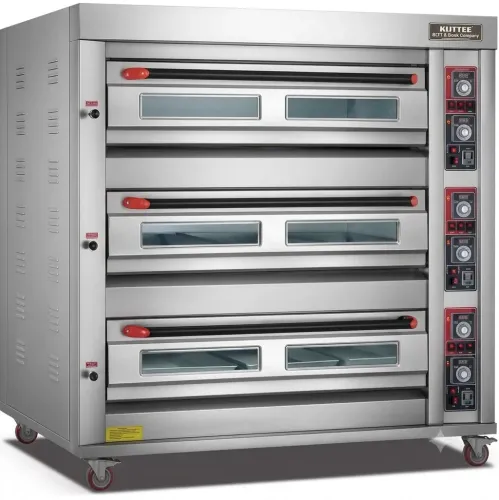
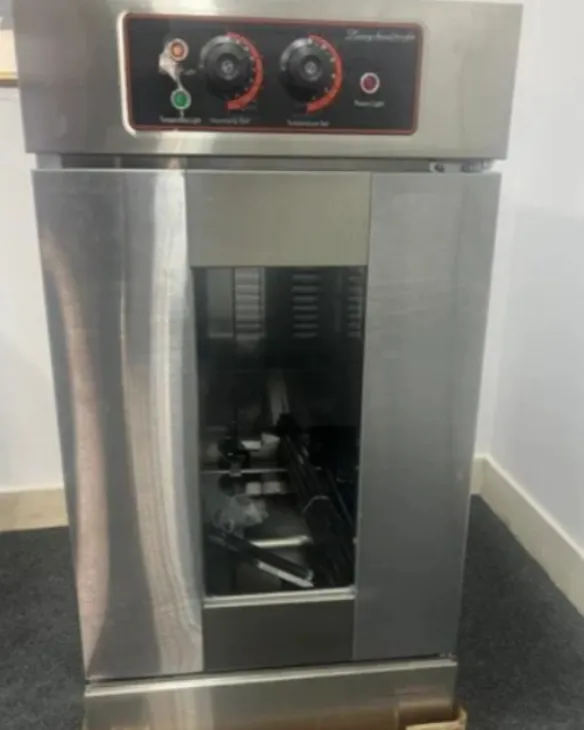
Fermentation is one of the most influential stages in bread, bun, yeast-based bakery production. Dough requires suitable conditions to develop before baking. When temperature, humidity, timing fluctuate considerably, proofing can become unpredictable.
A Bakery Fermentation machine provides a controlled environment designed to support this important production stage.
Why Fermentation Conditions Matter
Yeast activity is influenced by surrounding conditions.
A production kitchen may be warmer during one part of the year, cooler during another. Humidity can also change. These variations may affect how quickly dough reaches the desired proofing stage.
Nagpur experiences substantial seasonal temperature changes, making environmental control relevant for commercial bakery operations.
A fermentation unit can help reduce dependence on uncontrolled room conditions.
What Happens During Proofing?
After dough preparation plus shaping, yeast activity produces gases that contribute to expansion. The dough structure retains these gases, helping create volume plus internal texture.
Insufficient proofing may result in products that are dense, compact, poorly developed.
Excessive proofing can weaken structure, making dough difficult to handle before baking.
The objective is therefore controlled development rather than simply leaving dough for the longest possible period.
Products That May Require Controlled Fermentation
Fermentation equipment can be useful for producing:
- Bread loaves
- Pav
- Burger buns
- Sandwich buns
- Dinner rolls
- Pizza dough
- Sweet yeast products
- Specialty breads
The appropriate proofing conditions can differ by recipe.
Operators should establish product-specific procedures instead of applying identical settings to every item.
Production Scheduling Becomes Easier
Commercial bakeries frequently work backward from required delivery times.
Bread may need to reach retail counters early in the morning. Hotels may require bakery products before breakfast service. Cafes can require fresh buns before opening.
When fermentation varies significantly, scheduling becomes harder.
Controlled equipment can make production planning more structured by reducing some environmental variation.
This can be valuable for bakery businesses supplying customers across Nagpur where dispatch timing forms part of daily operations.
Capacity Should Match Oven Output
Fermentation capacity should be considered alongside baking capacity.
If a proofing unit handles much less product than the oven can process, it can create a bottleneck. Excessively large fermentation capacity may remain underused.
Evaluate the complete production sequence:
- Mixing
- Dividing
- Shaping
- Fermentation
- Baking
- Cooling
- Packing
Balanced capacity across these stages can help improve workflow.
Staff Still Need to Evaluate Dough
Controlled equipment does not replace skilled observation.
Flour quality, yeast quantity, hydration, recipe formulation, dough temperature can influence fermentation behaviour.
Bakery teams should learn to recognise properly developed dough rather than relying exclusively on a timer.
This combination of equipment control plus operator knowledge can support more reliable results.
Keep the Chamber Clean
Warm, humid environments require disciplined cleaning practices.
Follow manufacturer instructions concerning chamber cleaning, trays, racks, internal surfaces.
A routine sanitation schedule should be integrated into daily bakery operations.
Operators should also avoid practices that could damage controls, electrical components, surfaces.
Planning a Fermentation Setup
Before purchasing equipment, consider available floor space, rack configuration, production quantity, batch timing, electrical requirements, cleaning access.
Businesses planning a new bakery in Maharashtra should also coordinate the fermentation unit with mixer capacity plus oven capacity before equipment is installed.
Vaibhav Enterprises in Nagpur works with bakery businesses evaluating machinery for commercial production setups. Discussing daily product volume can help determine whether a Bakery Fermentation machine fits the proposed workflow.
Controlled fermentation is ultimately about repeatability. When bakeries can manage proofing conditions more consistently, production teams gain better control over scheduling, dough development, finished product uniformity.
Keywords